



UL Listed for Countertops
If you are searching for a UL-listed pop-up outlet or a kitchen countertop UL power outlet that will pass inspection, you are in the right place. In the United States, inspectors and electricians typically want two things: the right placement per the National Electrical Code (NEC) and a product that is certified by a recognized safety lab (UL, ETL, or another OSHA-recognized NRTL). Below is a simple, product-focused list of the UL-approved pop-up outlets we offer at Modern Power Solutions for U.S. kitchens, plus a clear explanation of why UL approval matters and how it ties back to code.
Quick list: UL-approved pop-up outlets available at Modern Power Solutions (USA)
These are the pop-up outlets we stock for the U.S. market that are designed to meet North American safety expectations and certification requirements.
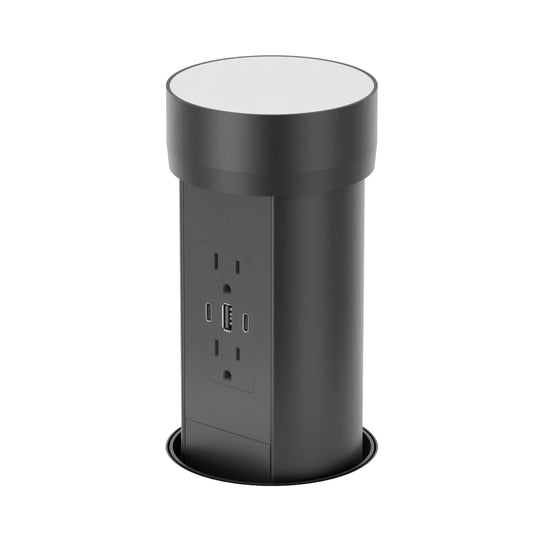
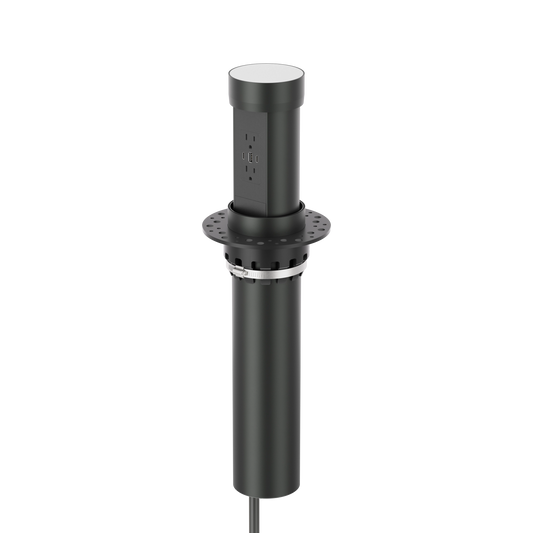
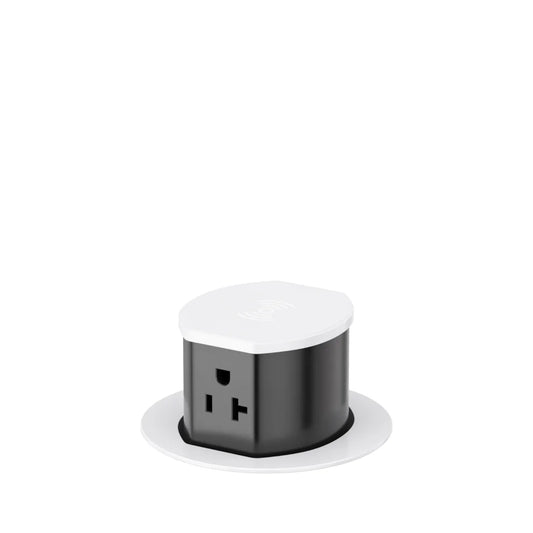
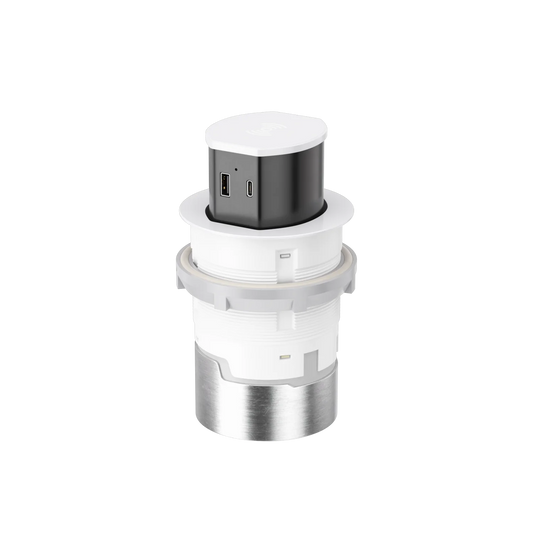
- Point Pod range (UL compliant via UL 962A, ETL Listed): Motorized, premium countertop pop-up outlet designed for kitchens, available in black and silver. Collection page: Point Pod collection.
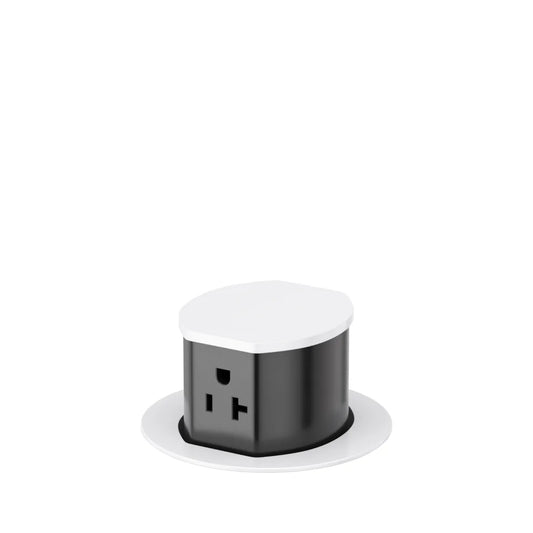
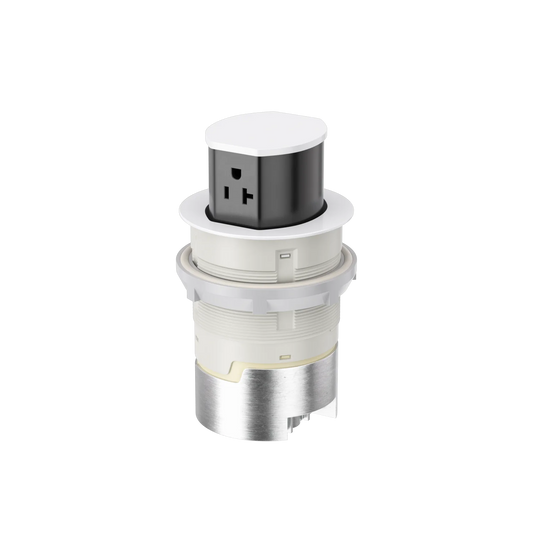
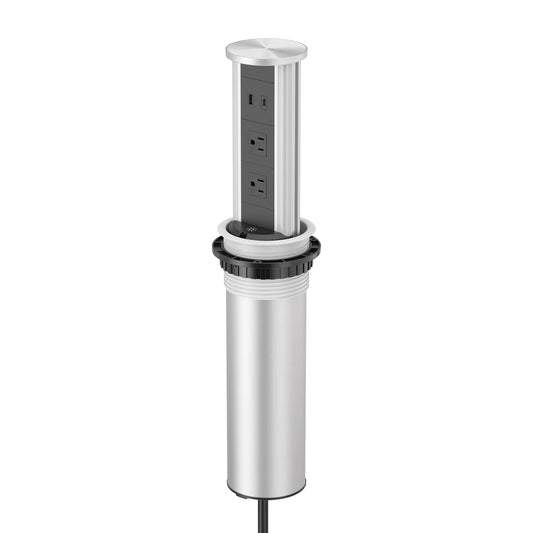
- Hubbell countertop receptacles (UL Listed for countertop and work surface use): These are purpose-built for permanent countertop installations and are a very common “inspector-friendly” choice. Hubbell Tri-Power (includes wireless charging options) and Hubbell Dual-Sided (flush or surface mount options). Collection page: Hubbell collection.
What “UL-approved” really means (and why ETL can also be acceptable)
When people say “UL-approved,” they usually mean the product has been tested against an applicable U.S. safety standard and certified by a nationally recognized lab. UL is the most well-known name, but it is not the only lab. ETL (Intertek) is also an OSHA-recognized Nationally Recognized Testing Laboratory (NRTL). In practical terms, an ETL Listed mark can satisfy the same “third-party tested” requirement inspectors look for, as long as the product is listed to the appropriate standard for the application. If you want to read more about UL and certification generally, you can start here: UL product certification overview. For ETL and the NRTL concept, see: Intertek ETL Listed mark.
Why the UL certification process exists in the USA
The U.S. uses a mix of model codes and local enforcement. The NEC (also known as NFPA 70) is the most common benchmark electricians follow, and local jurisdictions adopt it and enforce it through inspections. The point of UL style certification is simple: it gives inspectors confidence that the device was tested for electrical safety, materials, heat, strain relief, grounding, and failure modes, instead of relying on a factory claim. In other words, the code focuses on safe installation, while UL style certification focuses on safe product construction and performance. Those two work together to reduce shock risk, fire risk, and failures over time. If you want the formal background on the NEC as a standard, see: NFPA 70 (NEC) standard development.
What code is relevant for kitchen countertop outlets and islands
Most kitchen “will this pass inspection” questions come down to a few recurring themes: GFCI protection in kitchens, reasonable spacing so the countertop is served without dangerous extension cords, and rules about where island and peninsula receptacles can go. The NEC is detailed and local requirements can vary, so always confirm with your electrician and the AHJ (Authority Having Jurisdiction) in your area, but here is the practical takeaway: you typically need GFCI protection for countertop receptacles, and you need receptacle placement that serves the countertop without encouraging cords to drape across walkways. Recent NEC updates also tightened expectations around receptacles installed below island or peninsula countertops because cords hanging off the side can create snag and tip hazards. That is why pop-up outlets listed for countertop and work surface use have become the cleanest solution for islands: the power comes from the top where it is used, and when it is not needed, it disappears.
If you want a straightforward explanation of pop-up outlet legality and placement in the USA, you can also read our guide here: USA Electrical Code for Pop Up Outlets.
Why side-mounted island outlets can be a problem (and why pop-up outlets help)
You are not imagining it: there has been a real code conversation in the U.S. about island outlets and cord hazards. When an outlet is placed on the side of an island, cords can hang down into the walking zone. Someone can catch a cord with a knee, a handbag, a chair, or a kid can pull on it, and a hot appliance can tip or slide. Pop-up outlets reduce that risk because the cord exits from the countertop surface, right next to the appliance, with less slack hanging over an edge. Also, many listed countertop pop-up receptacles are designed with spill-resistant lids, tamper resistance, and better sealing than generic desk pop-ups. That design focus matters in a kitchen.
Which Modern Power Solutions models are best for kitchens specifically
If your priority is passing inspection in a kitchen and you want the most kitchen-focused choices, start with these two groups.
- Best pick for a premium kitchen island: Point Pod because it is purpose-built for countertop use, and it is designed to look seamless in high-end stone and engineered surfaces. Shop: Silver or Black. If you want the deeper certification explanation for inspectors and electricians, see: Point Pod Connect UL Certification.
- Most traditional “specifier” choice: Hubbell countertop receptacles because Hubbell is a long-established U.S. manufacturer and these models are designed specifically for permanent countertop installations. Choose Tri-Power if you want wireless charging options, or Dual-Sided if you want a compact, dual-access layout with flush mount options.
Common inspection and planning tips for homeowners
If you are in the design phase, do these three things early and you will save yourself a lot of pain later. First, show your electrician the exact product page you plan to use so they can confirm the listing type, the installation method (hardwired versus plug-in), and the intended location (countertop and work surface use). Second, plan your hole cutouts and clearance below the countertop before stone fabrication. Third, confirm GFCI strategy with your electrician, especially if you are placing outlets on an island where spills, sinks, and prep work are common.

Shop all USA pop-up outlets
If you want to compare everything we offer for the U.S. market in one place, start here: All pop-up outlets. If you already know you want a kitchen-first option, go straight to Point Pod or Hubbell.
Note: Electrical rules can vary by state and city, and some areas adopt different NEC editions. Always confirm requirements with your licensed electrician and your local AHJ before finalizing placement and product selection.